
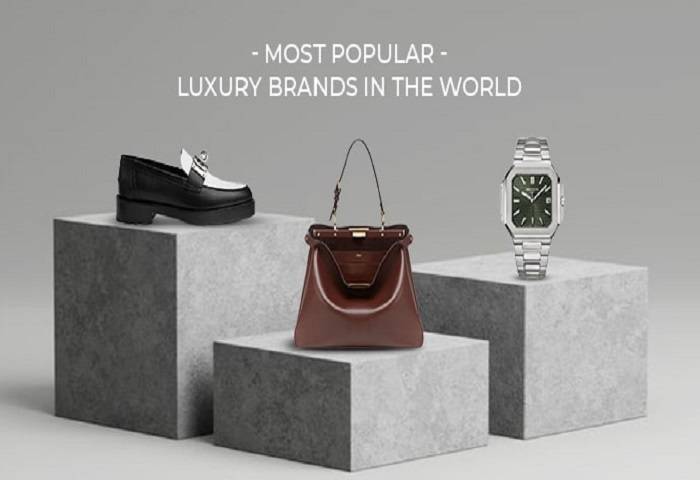
Luxury accessories occupy a unique space in the world of fashion. They embody craftsmanship, heritage, and personal expression, often transcending their practical purpose to become symbols of status, artistry, and cultural identity. From meticulously constructed handbags to timeless timepieces and heirloom-quality jewelry, luxury accessories have become a global phenomenon, shaping the way people communicate style and aspiration.
Craftsmanship as a Narrative
At the heart of every luxury accessory lies impeccable craftsmanship. It is this attention to detail—and the stories behind the artisans who create each piece—that separates luxury from the ordinary. A watchmaker who spends months perfecting the movement of a wristwatch, or a leather artisan who hand-stitches a handbag in a dim Parisian workshop, turns an accessory into a narrative.
Luxury houses like Hermès, Rolex, and Cartier have built empires on their devotion to skilled labor. Each stitch in an Hermès Birkin bag, for example, is completed by a single artisan, a technique that not only ensures quality but imbues every piece with individuality. In an era of mass production, this level of dedication resonates deeply with consumers seeking authenticity.
The Power of Heritage
Heritage plays an equally vital role in the appeal of luxury accessories. Many of the world’s most esteemed brands have histories spanning over a century, and their longstanding traditions contribute significantly to their prestige. These legacies create a sense of continuity—an object purchased today feels like a piece of history.
Consider Louis Vuitton, whose origins trace back to travel trunks crafted for 19th-century French nobility. Its monogram, once a symbol of aristocratic elegance, now represents global luxury. Similarly, Tiffany & Co. maintains a legacy of designing jewelry that marks life’s most significant celebrations, from engagements to anniversaries.
This interweaving of past and present allows consumers to participate in a story greater than themselves. Owning a piece from such a heritage brand creates a bridge between generations, amplifying the accessory’s sentimental value.
Status, Identity, and Emotional Expression
Luxury accessories also serve as powerful tools for personal identity. While they often hold connotations of exclusivity and social status, they can also reflect individual creativity and emotional expression.
A piece of jewelry may commemorate a milestone; a designer handbag may symbolize independence or the culmination of a long-term goal. Watches—a category often intertwined with innovation and engineering—can act as subtle affirmations of one’s taste, attention to detail, or appreciation for tradition.
Moreover, in today’s digital age, where personal branding plays a major role in both social and professional settings, luxury accessories help convey values such as discernment, ambition, or artistry. They become extensions of the wearer, communicating without words.
Investment Value and Longevity
One of the most fascinating aspects of luxury accessories is their potential to retain—or even increase—value over time. Unlike fast fashion, which is designed for short-term use, luxury items are constructed to last decades, if not longer.
High-end watches from brands like Patek Philippe or Audemars Piguet often appreciate in value due to limited production and enduring demand. Similarly, classic handbags, such as the Chanel 2.55 or the Hermès Kelly, consistently command premium prices on the resale market. Many collectors even seek out timepieces from a prestigious luxury watch retailer, knowing that these items combine exceptional craftsmanship with long-term value.
This investment aspect has spurred a new wave of collectors and enthusiasts who treat luxury accessories not merely as fashion items but as financial assets. Beyond monetary value, the longevity of these pieces ensures they can be passed down, transforming them into treasured heirlooms.
Sustainability and the Shift Toward Conscious Luxury
In recent years, luxury brands have increasingly embraced sustainability, recognizing that modern consumers value ethical production as much as craftsmanship. This shift has redefined what it means to own something “luxurious.”
A growing emphasis on traceable materials, responsibly sourced gemstones, and environmentally friendly manufacturing methods has enhanced the prestige of sustainably crafted accessories. Brands like Bottega Veneta and Chopard have taken significant steps in promoting transparency and reducing environmental impact, positioning themselves as leaders in this evolving landscape.
Additionally, the rise of the resale and vintage market has reshaped consumer behavior. Buying pre-owned luxury accessories is no longer stigmatized; in fact, it is celebrated as both eco-conscious and culturally savvy. This trend highlights the circular nature of luxury—quality items maintain desirability, generation after generation.
Innovation Meets Tradition
Despite the historical weight held by many luxury brands, innovation remains central to their relevance. Technological advancements have revolutionized both design and production. High-tech ceramics, carbon composites, and lab-grown diamonds have made their way into luxury accessories, demonstrating how tradition and modernity can coexist.
Digital integration has also reshaped consumer interactions with luxury. Virtual try-on experiences, immersive online boutiques, and personalized digital services allow buyers to engage with brands more intimately than ever before. Even luxury watches have entered the digital realm, with brands exploring hybrid timepieces that merge mechanical complexity with smart technology.
This blending of innovation and artisanal heritage ensures the industry remains dynamic, aspirational, and culturally responsive.
The Emotional Landscape of Luxury
Ultimately, what keeps luxury accessories relevant is their emotional resonance. While their craftsmanship, heritage, and exclusivity contribute to their allure, it is the emotional connection they foster that elevates them from functional objects to cherished possessions.
A luxury accessory often represents a personal story: a first major purchase, a gift from a loved one, or a momento marking a significant moment in life. These emotional associations give such items an intangible worth that far surpasses their material value.
Conclusion
Luxury accessories have evolved far beyond simple ornaments. They are embodiments of craftsmanship, symbols of cultural heritage, reflections of personal identity, and often, tangible investments in both emotional and financial terms. In a world increasingly driven by digital interactions and rapid consumption, luxury accessories stand as reminders of artistry, longevity, and the enduring human desire for beauty and meaning.
Their appeal is not simply rooted in their exclusivity or price tag but in the narratives they carry—the stories of skilled artisans, storied brands, and the individuals who choose to make these pieces part of their lives. As long as beauty, heritage, and self-expression remain part of the human experience, luxury accessories will continue to hold their timeless place in the world of fashion.

Singh is an experienced spiritual writer and the resident author at Guruvanee.com. With a deep passion for exploring the mystical aspects of life, Singh delves into various spiritual traditions, philosophies, and practices to inspire readers on their spiritual journeys.