
In the competitive home-building industry, innovative marketing is vital for growth. Modern buyers research extensively and expect seamless online experiences, urging builders to adopt new technology and tailor their marketing. Investing in digital tools and customer-centric strategies helps builders stand out and attract qualified leads. Digital solutions enhance online presence, engagement, and trust. Success relies on a mix of tactics that provide value and memorable experiences, appealing to tech-savvy buyers, strengthening brand reputation, and easing the buying process. Effective marketing combines digital innovation, content, and authentic communication. Understanding buyer motivations, clearly communicating value, and enabling remote decisions are crucial for long-term success in the digital era.
Embracing Digital Technology
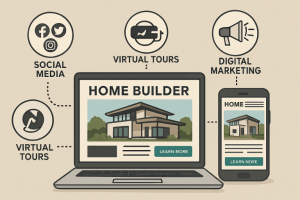
Integrating digital tools into the home-buying journey is increasingly essential for staying competitive. Modern home buyers crave streamlined, interactive experiences, and technologies like Virtual Reality (VR) and Augmented Reality (AR) allow them to virtually explore floor plans, interior finishes, and neighborhoods long before construction begins. 360-degree walkthroughs and immersive tours not only engage buyers early but can also significantly shorten the buying cycle. By offering these innovative experiences, builders can provide convenience, transparency, and excitement, ultimately enhancing customer satisfaction and differentiating themselves in the market—a key strategy in effective home builder marketing. Leveraging these digital marketing strategies also helps builders reach a broader audience, including out-of-town or international buyers, expanding their market potential and driving sales growth.
Content Marketing Focused on Buyer Needs
Buyers in today’s market aren’t just looking for floor plans—they want information and guidance from trusted sources. By producing high-value content, such as how-to guides on financing, the advantages of new home construction, and eco-friendly building options, builders can establish themselves as go-to experts. Detailed blog articles, video explainers, and downloadable resources offer solutions to common buyer concerns, fueling engagement. Clear and honest educational content is a major factor in building buyer confidence and loyalty.
Leveraging Social Media Platforms
The visual appeal of new homes makes platforms like Instagram, Pinterest, and Facebook especially powerful for builders. Sharing high-quality images, virtual tours, behind-the-scenes stories, and genuine client testimonials can foster trust and expand reach. Strategic use of video—such as live Q&A sessions with architects or walk-throughs of move-in-ready homes—boosts engagement and showcases expertise. Regular, authentic social sharing helps create a loyal community and positions the brand as approachable and transparent.
Implementing AI-Driven Personalization
Artificial Intelligence provides builders with powerful tools to deliver tailored content and guide prospects through the buying process. AI-powered chatbots can answer questions in real time and recommend floor plans based on visitor behavior. Predictive analytics identifies promising leads, prioritizing sales efforts and improving resource allocation. With personalized follow-up emails and automated content recommendations, builders can nurture relationships long after the first website visit, making the sales process both client-friendly and exceptionally efficient.
Investing in Targeted Digital Advertising
Digital advertising platforms like Google Ads and Meta Ads enable builders to target their ideal buyer demographics with precision. Keyword targeting ensures ads reach users actively seeking new construction homes, while demographic and geographic filters tailor messaging to local markets. Retargeting campaigns and social display ads keep the brand top-of-mind as buyers weigh their decisions. By carefully measuring ad performance and optimizing campaigns, builders maximize their advertising spend and generate higher-quality leads.
Developing a Professional Website
A professional, user-friendly website serves as the digital foundation for all marketing efforts. Essential features include an updated portfolio of builds, testimonials, financing information, and clear calls to action. The website should be mobile-responsive and optimized for search engines to ensure optimal visibility. Fast load times, intuitive navigation, and accessible contact forms help prospects move smoothly from curiosity to inquiry. A modern website—with compelling imagery and valuable information—amplifies credibility and captures a broader pool of potential buyers.
Offering Virtual and Augmented Reality Experiences
Advanced VR and AR solutions eliminate the guesswork of home buying by enabling buyers to explore design options, floor plan variations, and finishes in a lifelike virtual environment. These experiences create an emotional connection, enabling buyers to envision themselves in a space and reducing uncertainty, which in turn accelerates purchase decisions. For home builders, such investments drive differentiation and cater to the increasing demand for digital-first shopping experiences.
Conclusion
Thriving in today’s real estate market requires home builders to blend technology with authenticity, offering clear value at every stage of the customer journey. Strategic digital marketing—supported by immersive technologies, educational content, targeted ads, and dynamic online presence—ensures not just visibility, but deep engagement and loyalty. Builders who invest in these approaches are well-positioned to meet modern buyer expectations and achieve lasting success in an ever-changing industry landscape.

Singh is an experienced spiritual writer and the resident author at Guruvanee.com. With a deep passion for exploring the mystical aspects of life, Singh delves into various spiritual traditions, philosophies, and practices to inspire readers on their spiritual journeys.