
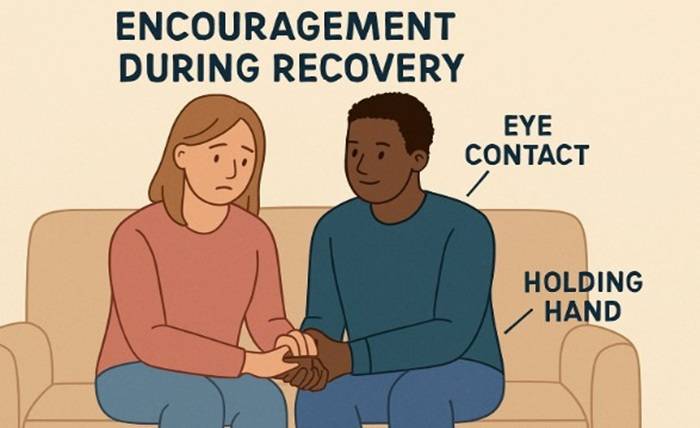
Supporting a loved one through addiction recovery is both a challenge and an act of compassion. Whether you are a family member, friend, or partner, your guidance and encouragement can make a profound difference in their road to sobriety. Taking the time to understand their journey, practicing empathy, and learning actionable support techniques will empower both you and your loved one. For additional guidance and comprehensive recovery solutions, explore resources like https://numarecoverycenters.com/ for expert help tailored to every stage of recovery.
As you step into this supportive role, it’s important to remember that recovery does not happen overnight. Your patience, encouragement, and boundaries are essential as your loved one faces the ups and downs of lasting change. Remaining present, celebrating progress, and prioritizing your own self-care will all play significant roles in the recovery journey.
Addiction recovery is more than just abstaining from a substance; it involves rebuilding trust, establishing healthy routines, and learning new ways of coping. Your support is vital, but so is setting realistic expectations and understanding the complexities of addiction. By staying informed, you can provide meaningful guidance while also looking after your own well-being.
Drawing on expert advice and resources, this article offers a comprehensive approach—covering the importance of listening, setting boundaries, and accessing professional help—so you can offer impactful support and foster a nurturing recovery environment.
Active Listening and Open Communication
One of the most impactful ways to support a loved one in recovery is through active listening. This means giving your full attention during conversations, maintaining open body language, and responding thoughtfully and nonjudgmentally. Creating a safe space for your loved one can strengthen trust and provide the emotional reassurance they need during vulnerable moments.
It’s important to avoid offering unsolicited advice or trying to “fix” their problems. Instead, use reflective statements—such as “I hear you” or “That sounds really hard”—to show empathy and validate their experiences. Open communication not only makes your loved one feel heard but also lays the foundation for honest discussions about struggles, triggers, and needs.
By fostering an environment of trust, you reduce feelings of isolation and help counter the stigma often associated with addiction. According to Psychology Today, supportive relationships are linked to better recovery outcomes and greater well-being for those in recovery.
Establishing Healthy Boundaries
Setting boundaries is crucial for sustaining your supportive role without compromising your own mental or emotional health. Define what behaviors are acceptable and communicate your expectations with care. For instance, you might clarify that you won’t cover for missed responsibilities or provide financial assistance that could enable substance use.
Not only do boundaries protect you, but they also encourage your loved one to take accountability for their actions. Boundaries can help both parties avoid enabling negative behaviors and foster personal responsibility, a cornerstone of adequate recovery support.
Encouraging Healthy Lifestyle Changes
Participating in or supporting positive lifestyle changes can aid both the physical and emotional aspects of recovery. Encourage activities like regular exercise, balanced meals, and healthy social interactions. Suggest hobbies or mindfulness practices as constructive outlets to manage stress and cravings. The World Health Organization recommends practical everyday actions for better health, such as staying physically active, eating a variety of nutritious foods, and avoiding harmful habits, such as tobacco use or excessive alcohol consumption. Sometimes, motivating a loved one to adopt these changes means joining them in activities or modeling healthy habits yourself. Even small shifts like a daily walk or learning a new skill help rebuild self-esteem and foster a sense of normalcy outside of substance use.
Practicing Patience and Compassion
Recovery is often a nonlinear journey, with periods of progress and occasional setbacks. Demonstrating patience reassures your loved one that you acknowledge the difficulty of the process and value their effort. Compassion involves offering support without judgment—even when faced with disappointment or frustration. Recognize each step forward and remind them that setbacks are not failures, but learning opportunities. Communicating your confidence in their ability to recover can boost their motivation and reinforce self-worth. Empathy and patience strengthen your relationship and lay a foundation for ongoing recovery.
Educating Yourself About Addiction
Understanding addiction as a complex medical and psychological challenge will enable you to provide effective and informed support. Learning about the nature of addiction, triggers, withdrawal symptoms, and common co-occurring conditions equips you to respond appropriately in difficult situations. Increasing your knowledge not only benefits your loved one but also helps you form realistic expectations and recognize when professional help is needed.
Celebrating Milestones in Recovery
Recognizing and applauding recovery milestones, whether big or small, encourages ongoing commitment and underscores positive progress. This could mean celebrating a week, month, or year of sobriety, or acknowledging personal achievements, such as navigating a difficult situation without relapsing.
Celebrities encourage, but so do small gestures: verbal praise, a handwritten note, or a meaningful outing. These affirmations not only build confidence but also reinforce the continuing rewards of sobriety.
Taking Care of Yourself
Supporting a loved one through addiction recovery can be emotionally demanding, so it’s critical to practice self-care. Maintain your own mental and physical health by engaging in stress-reducing activities, staying connected with your support network, and setting aside time for rest and hobbies. Don’t hesitate to seek help for yourself via therapy or peer support groups. Caring for your own well-being ensures you can be a consistent, effective source of support.
Seeking Professional Help When Needed
No matter how devoted a loved one you are, professional guidance is essential in many recovery journeys. Encourage your loved one to consider therapy, join support groups, or enroll in rehabilitation programs tailored to their needs. Professional resources offer expertise, accountability, and therapeutic tools that you may not be able to provide on your own.
Your encouragement can make a tremendous difference in helping them take this vital step. Remind your loved one that seeking professional help is a sign of strength and a critical investment in lifelong recovery.
Recovery is a courageous pursuit, both for the individual and those who support them. With patience, understanding, and the right resources, you can provide the encouragement and structure essential for long-term well-being and a brighter, healthier future for both you and your loved one.

Singh is an experienced spiritual writer and the resident author at Guruvanee.com. With a deep passion for exploring the mystical aspects of life, Singh delves into various spiritual traditions, philosophies, and practices to inspire readers on their spiritual journeys.