
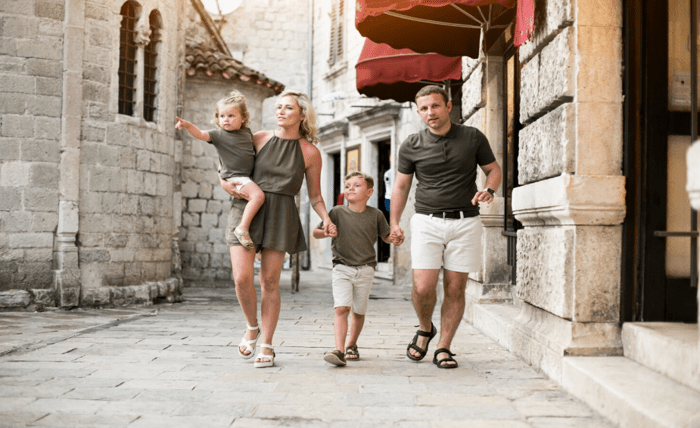
The Mediterranean Tapestry of Discovery
Sicily serves as a sprawling, outdoor classroom where the boundaries between education and play remain fluid. For families, the island is defined by a landscape that rewards physical curiosity—from the dramatic, volcanic slopes of Mount Etna to the sprawling, sun-bleached archaeological zones that dot the southern coast. Unlike destinations that rely solely on fabricated attractions, the island offers an authentic engagement with geography and history. The scale of the region allows families to transition between rugged mountain excursions and calm, crystalline coastal waters within a single day, providing a varied sensory experience that naturally keeps younger travelers engaged.
The Strategic Advantage of Localized Exploration
Navigating Sicily’s intense historical density requires a thoughtful approach to logistics. For families, the constant reorientation of moving between sites can quickly become an exhausting endeavor. Choosing an exciting family resort in Sicily provides a stable, secure, and self-contained environment that serves as a primary base. By utilizing a location that prioritizes proximity to both major coastal landmarks and interior natural parks, families can bypass the friction of daily urban navigation and vehicle logistics. This stability is the key to maintaining energy levels, ensuring that time on the island is spent actively exploring rather than coordinating transport.
Kinetic History and Ancient Landscapes
Sicily’s heritage is not held behind glass; it is etched into the very terrain. Children can climb the tiered seating of ancient Greek theaters or explore the imposing stone remnants of Norman fortifications, turning historical narrative into a tangible, kinetic reality. The open-air nature of these sites allows for immense freedom of movement, a stark contrast to the restrictive interiors of traditional city museums. This environment encourages younger travelers to interact directly with the world around them, transforming the act of sightseeing into an active, tactile exploration of human history and architectural endurance.
Spatial Design for Multi-Generational Ease
The architectural philosophy of Sicilian hospitality is specifically suited to the needs of groups. High-end properties often utilize traditional layouts—such as expansive, shaded loggias and internal courtyards—which act as a natural buffer against the intensity of the Mediterranean sun. These spaces are not just aesthetic; they are highly functional, creating private, cool zones that allow family members to retreat for quiet time while remaining in the fresh air. This thoughtful approach to site planning ensures that each generation can find a rhythm that suits them, preventing the physical burnout that so often defines less structured family travel.
Ultimately, a trip to Sicily is defined by the memories of shared discovery. Whether it is the collective experience of navigating a volcanic trail or the calm, quiet moments spent in the shade of a coastal resort, the island provides the necessary backdrop for a cohesive family narrative. By prioritizing a well-planned itinerary that balances the thrill of the rugged interior with the sanctuary of a consistent base, families return home with a profound sense of connection to a place that is as visually monumental as it is historically rich. It is this combination of awe-inspiring geography and structured, predictable comfort that ensures the experience remains etched in memory long after the final departure from its shores.

Singh is an experienced spiritual writer and the resident author at Guruvanee.com. With a deep passion for exploring the mystical aspects of life, Singh delves into various spiritual traditions, philosophies, and practices to inspire readers on their spiritual journeys.