
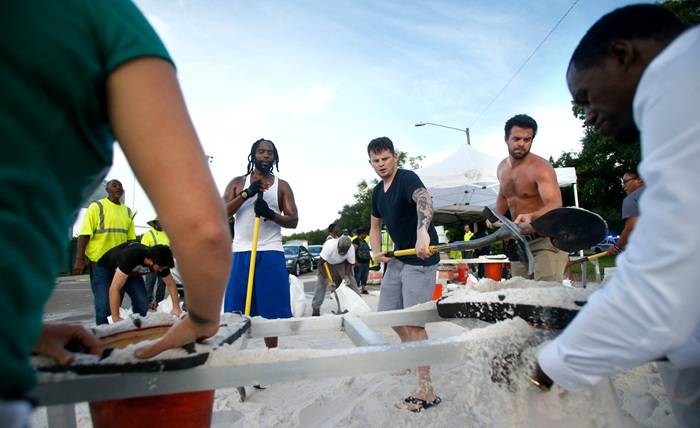
In an era where natural disasters and emergencies are becoming increasingly common, community preparedness is more crucial than ever. Neighborhoods that are well-prepared can significantly reduce the impact of emergencies, ensuring safety and resilience. Organizing at the community level not only enhances individual preparedness but also fosters a sense of unity and cooperation. This article explores how neighborhoods can effectively organize for emergencies, focusing on planning, communication, resource management, and training. By taking proactive steps, communities can be better equipped to handle unexpected situations and recover more swiftly.
PLANNING AND ASSESSMENT
The foundation of community preparedness lies in thorough planning and assessment. Neighborhoods should begin by identifying potential risks and hazards specific to their area, such as floods, earthquakes, or power outages. Conducting a risk assessment helps in understanding the likelihood and impact of various emergencies. Once risks are identified, communities can develop a comprehensive emergency plan that outlines roles, responsibilities, and procedures. This plan should include evacuation routes, emergency contacts, and locations of safe shelters. Regularly reviewing and updating the plan ensures it remains relevant and effective. Involving local authorities and emergency services in the planning process can provide valuable insights and resources, enhancing the community’s overall preparedness.
COMMUNICATION STRATEGIES
Effective communication is vital during emergencies, as it ensures that information is disseminated quickly and accurately. Neighborhoods should establish a communication network that includes multiple channels, such as phone trees, social media groups, and community bulletin boards. This network should be tested regularly to ensure it functions smoothly during a crisis. Designating communication coordinators within the community can help manage the flow of information and reduce confusion. It’s also important to educate residents on how to access and interpret emergency alerts and warnings. By fostering open lines of communication, neighborhoods can ensure that all members are informed and can respond appropriately during an emergency.
RESOURCE MANAGEMENT
Resource management is a critical aspect of community preparedness. Neighborhoods should identify and inventory available resources, such as food, water, medical supplies, and emergency equipment. Creating a community resource map can help residents locate essential supplies quickly during an emergency. Encouraging households to maintain a personal emergency kit with basic necessities can also enhance individual preparedness. Additionally, communities can establish partnerships with local businesses and organizations to secure additional resources and support. By pooling resources and coordinating efforts, neighborhoods can ensure that they have the necessary supplies to sustain themselves during an emergency and aid in recovery efforts.
TRAINING AND EDUCATION
Training and education are essential components of a well-prepared community. Organizing regular workshops and drills can help residents develop the skills and knowledge needed to respond effectively to emergencies. These sessions can cover topics such as nepean first aid, fire safety, and basic search and rescue techniques. Involving local emergency services in training activities can provide residents with practical experience and build confidence in their ability to handle emergencies. Additionally, educating residents about the importance of preparedness and encouraging them to participate in community efforts can foster a culture of resilience. By investing in training and education, neighborhoods can empower their members to act decisively and collaboratively during a crisis.
CONCLUSION
Community preparedness is a collective effort that requires planning, communication, resource management, and training. By organizing at the neighborhood level, communities can enhance their resilience and ability to respond to emergencies. A well-prepared community not only protects its members but also strengthens the bonds between them, fostering a sense of unity and cooperation. As emergencies become more frequent and unpredictable, taking proactive steps to prepare can make a significant difference in the safety and well-being of a community. By working together, neighborhoods can build a foundation of preparedness that ensures they are ready to face any challenge that comes their way.

Singh is an experienced spiritual writer and the resident author at Guruvanee.com. With a deep passion for exploring the mystical aspects of life, Singh delves into various spiritual traditions, philosophies, and practices to inspire readers on their spiritual journeys.